
The Case Against the Official FIFA World Cup Beer Glass
The conventional wisdom says that owning an officially licensed FIFA World Cup beer glass is an essential part of the fan experience. This perspective treats the "We Are 26" logo as the primary feature, a commemorative stamp on a historic tournament. Here's the part nobody talks about: in the pursuit of branded memorabilia, consumers are often accepting a significant downgrade in glassware performance. The focus on logos obscures the material compromises—from thermal retention to tactile quality—that define the mass-market options.
Official merchandise, like the 17oz FIFA World Cup 2026 Trophy Pint Glass, is typically made from thick-walled soda-lime glass or plastic. This choice is practical for mass production and safety in high-traffic fan zones. However, soda-lime glass, the material used for common bottles and jars, has lower thermal shock resistance and clarity compared to higher-grade materials, according to the Corning Museum of Glass. This means the glass itself warms faster, transferring heat directly to your beer during a tense, 90-minute match. The result is a lukewarm drink long before the final whistle.
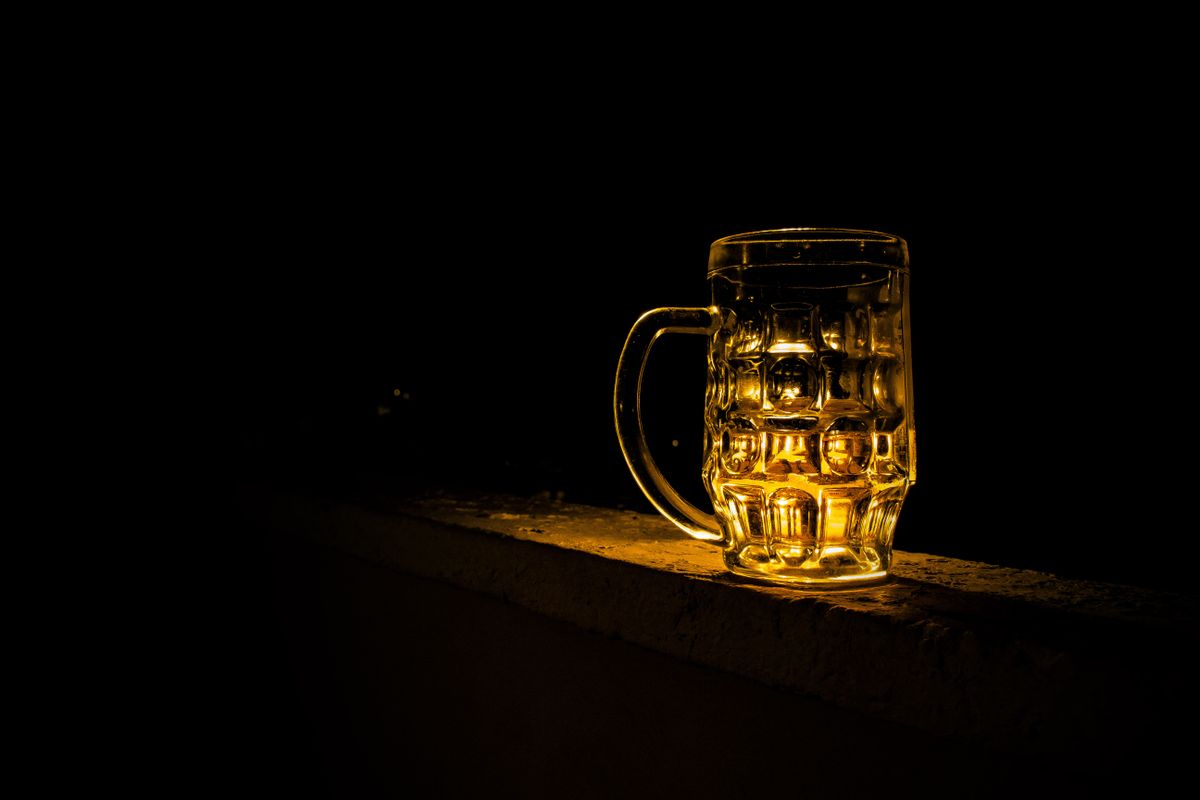
In contrast, premium glassware prioritizes the physics of the drinking experience. World Cup Crystal Glass is engineered with a thinner wall, which reduces the amount of material absorbing ambient heat. This isn't about subjective luxury; it's about thermal dynamics. A thinner vessel maintains the beer's cold temperature for a longer duration. Furthermore, the higher refractive index of crystal enhances the beer's color and carbonation, a detail lost in the cloudy composition of standard-issue glasses. Understanding what you are actually paying for is realizing the investment is in material science, not a screen-printed logo. The longevity of such a piece requires specific handling, a small trade-off for consistent performance you can learn more about when preserving a collector glass collection.
The argument for official glassware often pivots to its value as a collectible. Yet, the vast majority of mass-produced tournament merchandise rarely appreciates in value. These items are souvenirs, not investments. A high-quality piece of crystal, however, retains its functional and aesthetic value indefinitely, serving its purpose long after the tournament branding becomes dated. For those considering a purchase as a memento, it's worth questioning whether the logo or the quality constitutes the real prize. A well-crafted glass stands as a more timeless and sophisticated gift for any football fan than a novelty item destined for the back of a cupboard.
What is the main compromise with official FIFA beer glasses?
The primary compromise is material quality. To achieve a low price point for mass distribution, official glasses often use standard soda-lime glass or plastic, which offer poor thermal retention and less visual clarity compared to premium crystal. This prioritizes the commemorative logo over the functional quality of the vessel itself.Does premium crystal really keep beer colder?
Yes, due to its physical properties. High-quality crystal allows for a thinner wall construction. A thinner wall means there is less glass mass to absorb heat from your hand and the surrounding air, thus transferring less warmth to the beverage and keeping it colder for a longer period.