
A 7-point framework for choosing World Cup crystal glass
 Priya RamanSenior Analyst
A World Cup Crystal Glass is often bought in under 90 seconds because it looks right in a product photo; the better test is whether it still feels right after 90 match-day pours, rinses, toasts, and shelf displays.
I evaluate commemorative glassware differently from everyday tumblers. A football-themed crystal beer glass has to do three jobs at once: it must look ceremonial, survive ordinary handling, and remain comfortable enough that someone actually uses it. If any one of those jobs fails, the glass becomes either clutter, a liability, or a one-night novelty.
Here is the framework I use when judging World Cup crystal drinkware for buyers who want a piece that feels gift-worthy without becoming impractical.
The decision problem: trophy, vessel, or keepsake?
Most buyers start with the wrong question: “Does it look like the World Cup?” That matters, but it is not enough. The more useful question is: “What role will this glass play after the first photograph?”
I divide buyers into three use cases:
A strong World Cup Crystal Glass should score acceptably in all three, but it should not maximize all three. That is where many novelty glasses go wrong: they chase trophy-like form so aggressively that they become awkward to drink from.
My 7-point framework
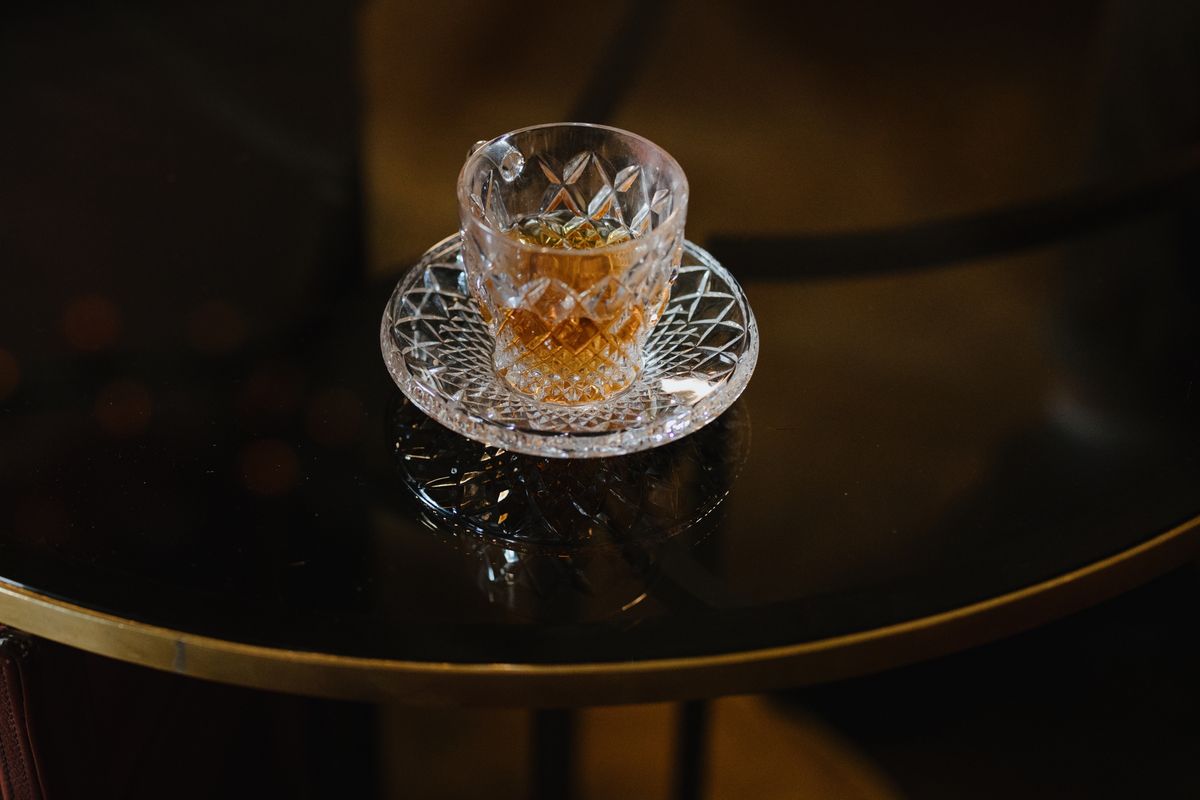
Photo by cottonbro studio on Pexels
1. Rim comfort beats silhouette accuracy
The rim is the first part of the glass your mouth actually judges. A dramatic shape can sell the product online, but a thick, rolled, or uneven rim makes the experience feel cheap.
For beer and sparkling drinks, I look for a rim that is thin enough to feel refined but not so thin that it becomes fragile. In hand-inspection terms, that usually means a rim in the approximate 1.2 mm to 2.0 mm range for crystal-style drinkware. Below that, chipping risk rises in ordinary kitchens. Above that, the glass can feel more like a souvenir mug than a crystal vessel.
The rim should also be fire-polished or smoothly finished. Run a fingertip slowly around it. You should not feel waviness, burrs, or a seam line where your lips will land.
2. Center of gravity matters more than total weight
Buyers often equate weight with quality. That is only partly true. Weight can signal substance, but badly placed weight makes a glass tiring or unstable.
For World Cup-themed glassware, the base often carries the decorative load. That can be good: a slightly heavier base improves stability on crowded tables. But if the bowl is narrow, the stem is tall, or the base is overly sculptural, the glass can become top-heavy once filled.
A practical test: fill the glass with water to the level you would pour beer. Place it on a flat table and nudge the table lightly with your knuckle. The glass should not wobble like a trophy replica. It should settle quickly.
3. Capacity should match the beverage ritual
A beer glass that technically holds 500 ml may not be comfortable at 500 ml. Foam, headspace, and hand feel all matter.
For a World Cup Crystal Glass used with beer, I prefer a stated capacity between 350 ml and 500 ml. A 350 ml glass feels elegant and encourages colder, fresher pours. A 500 ml glass feels more pub-like but needs a stable base and enough hand clearance.
For gifting, capacity clarity is also important. If a glass is sold as “beer glass” but only comfortably holds 250 ml with headspace, recipients may feel misled.
4. Clarity is not just sparkle; it is defect control
Crystal buyers talk about brilliance, but I pay equal attention to what brilliance can hide. Bubbles, striae, cloudy zones, and mold lines are easier to miss in photos than in person.
Hold the glass against a white sheet of paper and rotate it under daylight. Small bubbles are common in decorative glass, but clusters near the rim, base stress points, or engraved areas are less acceptable. Look for:
- A clean optical line through the bowl
- No gray haze in the foot or base
- No sharp transitions where thick and thin sections meet
- No roughness inside engraved or molded detail
5. Food-contact safety must be explicit, not assumed
This is where a framework matters. A product can be beautiful, heavy, and expensive while still being a poor choice for frequent drinking if its food-contact status is unclear.
For glass and ceramic hollowware, lead and cadmium release are regulated and tested using standardized leaching methods. ISO 7086 covers the release of lead and cadmium from glass hollowware in contact with food, while the U.S. Food and Drug Administration publishes guidance and compliance policy levels for lead leaching from food-contact ceramics and related ware.
The practical buyer version: if a glass is meant for beverages, the product page or packaging should say so plainly. “Decorative” and “food safe” are not interchangeable words.
I am especially cautious with unknown painted metallic rims, heavily colored exterior coatings near the lip, and novelty pieces with decorative surfaces inside the bowl. Decoration on the outside is generally less concerning than decoration where liquid or lips make contact, but the seller should still be clear.
6. Cleaning reality determines long-term satisfaction
A glass that requires anxious handling will be used less often. Handwashing is normal for crystal-style glassware, but the shape should not make cleaning difficult.
I look for two things:
- Can a soft sponge reach the bottom interior without forcing pressure against the rim?
- Are there crevices in the base or trophy detail that trap water?
7. Presentation should protect the object, not just flatter it
Gift packaging is not a cosmetic afterthought. It is part of the product’s survival system. A World Cup Crystal Glass should arrive in packaging that protects the rim, bowl, and base separately enough that vibration does not turn the base into a hammer against the bowl.
For a gift item, I want:
- A fitted insert rather than loose void fill alone
- At least 20 mm of cushioning around vulnerable sides when shipped
- No direct glass-to-glass contact if sold as a pair
- A box rigid enough to stack without compressing the rim area
Observations from the bench: what changes the feel fastest
These are the measurements and handling notes I use when comparing commemorative beer glasses. They are not lab certifications; they are practical inspection numbers that quickly reveal whether a glass is likely to feel premium in real use.
| Attribute checked | Practical range I like | Why it matters | Red flag | |---|---:|---|---| | Rim thickness | 1.2-2.0 mm | Comfortable sip, lower cheap-glass feel | Over 2.5 mm feels mug-like | | Empty weight | 280-520 g | Enough substance without fatigue | Heavy bowl, light base | | Comfortable pour | 70-85% of stated capacity | Leaves headspace for foam | Capacity only works brim-full | | Base diameter | 55-75 mm for beer glass sizes | Stability on tables and trays | Narrow base with tall bowl | | Visible defects | 0 cracks; minimal isolated bubbles | Defect control and gift quality | Bubble cluster near rim or stress point | | Interior access | Sponge reaches base easily | Cleaning compliance | Deep narrow well traps residue | | Packaging clearance | About 20 mm around fragile zones | Shipping survival | Rim touching box wall |
The non-obvious pattern: the glasses people keep using are rarely the most sculptural ones. They are the ones whose decorative ambition stops just before it interferes with the rim, balance, and cleaning path.
Counter to what you'll read elsewhere: heavier is not always more premium
My take: for World Cup crystal glassware, excessive weight is often a design shortcut, not a quality signal.
A heavy base can be excellent. A heavy rim or bowl is less persuasive. When too much mass sits high, the glass feels clumsy when full and more vulnerable when tipped. The more useful premium signal is controlled mass distribution: a stable foot, a clean rim, and enough wall consistency that the glass feels intentional rather than merely thick.
This is why I would rather buy a moderately weighted, well-balanced glass with a refined rim than a very heavy novelty piece that looks impressive in the box but feels awkward during the second half of a match.
What standards and research actually tell us
Standards do not tell you which design to like, but they give useful boundaries.
ASTM C149, a standard test method for thermal shock resistance of glass containers, is a reminder that glass failure is often about temperature differentials and stress, not only impact. You do not need to perform a lab test at home, but you should avoid sudden hot-cold transitions, especially with thick decorative bases.
ISO 7086 is relevant because it addresses lead and cadmium release from glass hollowware in food-contact use. For a buyer, the key lesson is not to memorize the chemistry; it is to ask whether the glass is actually intended and represented as safe for beverages.
The FDA’s guidance and compliance information on lead in food-contact ware reinforces the same point: decoration, glazes, and materials matter when objects touch food or drink. A commemorative glass should not be treated as drinkware merely because it is shaped like a cup.
Consumer Reports has also warned for years that some decorative food-contact products can contain concerning metals, especially when products are poorly labeled or sourced through opaque supply chains. That does not mean crystal glass is inherently unsafe. It means documentation and reputable sourcing are part of quality.
A practical buying checklist
Before adding a World Cup Crystal Glass to your cart, I would run this checklist:
How to use and care for World Cup Crystal Glass
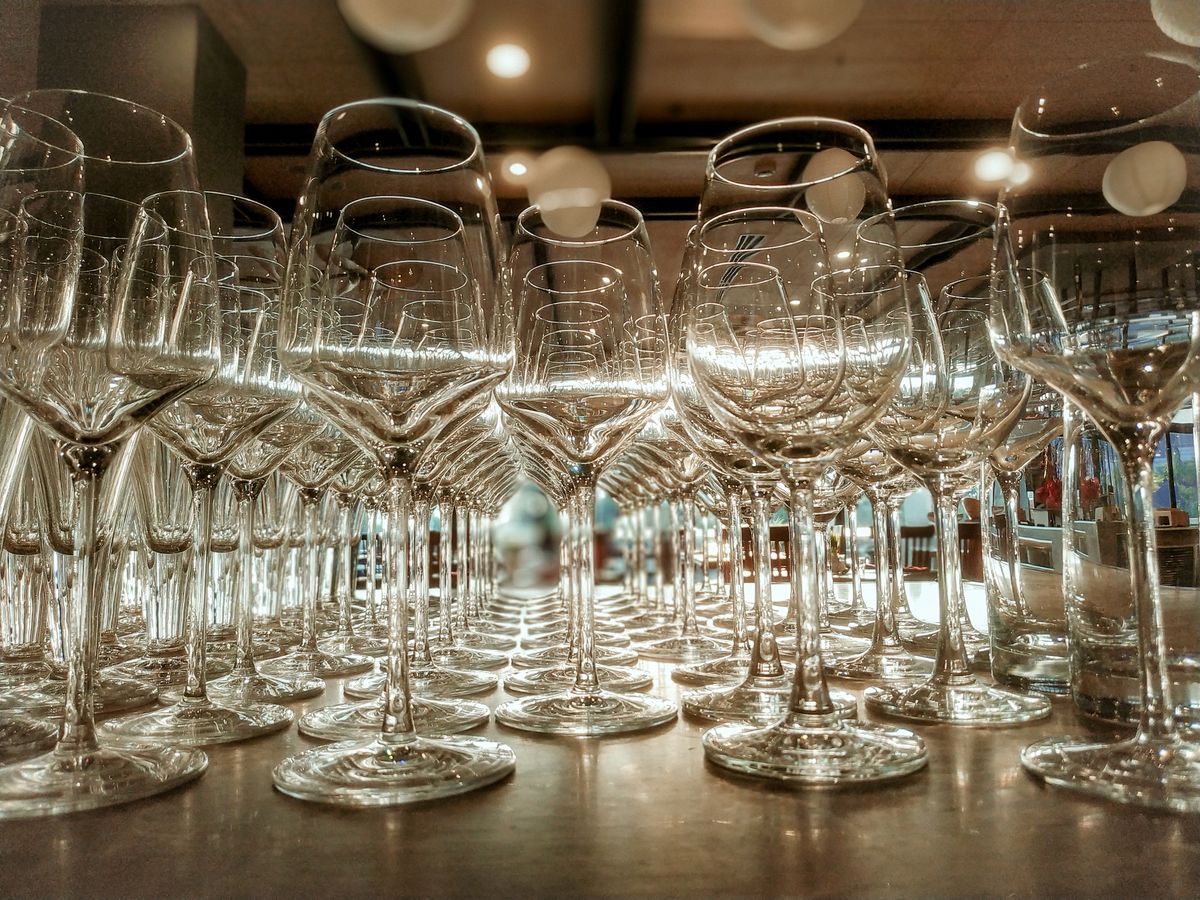
Photo by Nguyễn Thanh Ngọc on Pexels
Treat crystal-style glassware like a ceremonial object that is still allowed to work.
Wash it by hand with warm water, mild dish soap, and a non-abrasive sponge. Avoid twisting the bowl and base in opposite directions, especially if the design includes a narrow stem or sculpted transition. Dry with a lint-free cloth rather than air-drying if you want maximum clarity.
Do not pour boiling liquid into a cold glass, do not put a chilled glass directly under hot water, and avoid using it as a freezer mug unless the manufacturer explicitly allows it. Thick decorative bases can experience different expansion rates than thinner bowls, which is exactly the kind of condition thermal shock standards are designed to study.
For beer, rinse the glass with cool water before pouring. A clean, cool surface improves the visual pour and reduces dust that can cause uncontrolled foaming. For display, keep it out of direct sunlight if it has colored decoration or metallic accents.
When the World Cup design is worth it
A football-themed glass earns its place when it turns an ordinary pour into a small ritual. The shape should cue the tournament without making the object cartoonish. The best versions feel like drinkware first and memorabilia second.
That distinction matters. Memorabilia often gets one moment. Useful memorabilia gets many. If the glass is comfortable, clear, stable, and safe for beverages, it can come out for qualifiers, finals, club matches, birthdays, and watch parties. That repeated use is what makes the object meaningful.
FAQ
Is crystal glass safe to drink from?
It can be, but it depends on composition, decoration, and intended use. Modern lead-free crystal-style glassware is commonly made for drinking. Traditional lead crystal requires more caution, especially for storing acidic drinks or alcohol for long periods. The safest buyer move is to choose glassware clearly labeled for beverage use and supported by reputable sourcing or compliance language.
Can I put a World Cup Crystal Glass in the dishwasher?
I would handwash it unless the manufacturer explicitly says dishwasher safe. Even then, decorated crystal-style glassware can lose clarity or suffer decoration wear over time in dishwashers. Heat, detergent chemistry, and contact with other items are all harder on commemorative glass than gentle handwashing.
What capacity should I choose for beer?
For most match-day use, 350-500 ml is the practical range. A 350 ml glass feels refined and keeps beer colder because you refill more often. A 500 ml glass feels more traditional for beer but must have a stable base and comfortable grip. Remember that a pleasant pour usually uses only 70-85% of the stated brim capacity.
What makes a crystal glass feel premium rather than gimmicky?
Rim quality, balance, clarity, and restraint. A premium piece can reference the World Cup without turning every surface into decoration. If the rim is smooth, the base is stable, the bowl is clear, and the design does not interfere with cleaning or drinking, the glass will feel far more expensive than a heavier but awkward novelty piece.