
Crystal Trophy Care: Why Prevention Outperforms Cleaning
 Maya ChenContributing Editor
The greatest risk to your high-end crystal trophy is not dust, but the cloth you use to remove it. The conventional wisdom says that routine polishing is required to maintain the 'water white' clarity of optical crystal. This approach is fundamentally flawed. Each time a cloth is dragged across the surface, it grinds environmental silica and dust particles into the crystal, creating a web of micro-abrasions that permanently dulls the refractive index. The goal is not cleanliness; it is stasis.
Here's the part nobody talks about: the physics of cumulative damage. A single wipe with a microfiber cloth seems harmless, but the process is inherently abrasive on a microscopic level. For an asset valued for its optical perfection, this gradual degradation is unacceptable. True preservation of a World Cup Crystal Glass trophy is achieved not through reactive cleaning, but through proactive environmental control. This is the standard practiced in museum conservation, where the primary goal is to eliminate the need for physical contact. As outlined by conservators at institutions like the Corning Museum of Glass, controlling the environment is the most effective preservation tactic.
Your protocol should therefore focus on creating a stable micro-climate. The piece should be housed in a sealed display case with UV-filtering acrylic or glass. Maintain a consistent temperature, as fluctuations greater than 10°C can induce internal stress. Position the trophy away from HVAC vents and direct sunlight to prevent both thermal shock and particle accumulation. This level of management is non-negotiable for anyone using a FIFA World Cup crystal trophy glass for prestige awards, where asset value is directly tied to pristine condition.
If cleaning becomes unavoidable due to an accident or visible film, it must be treated as a targeted corrective procedure, not routine maintenance. First, dislodge all loose particles with compressed air. Second, if a liquid cleaner is necessary, use a solution of 95% distilled water and 5% isopropyl alcohol applied with a disposable, lint-free polyester swab—never household tap water. Third, handle the trophy only with powder-free nitrile gloves to prevent acidic skin oils from etching the surface. While this may seem excessive for a casual replica world cup trophy cup glass, it is the minimum standard for a collector's piece.
Ultimately, the most vulnerable aspect of the trophy is the deep sandblasted or laser-etched detailing, which acts as a trap for atmospheric pollutants that cleaning cannot safely remove. When evaluating a new piece, as detailed in our FIFA World Cup Crystal Glass Replica Buying Guide, consider how its design will interact with its environment over decades. I'll change my mind when manufacturers provide a standardized 'clarity rating' for crystal, similar to gemstone certification. Until then, the only variable you can control is the environment.
How often should you clean a crystal trophy?
As rarely as possible. The primary focus should be on a controlled environment that minimizes dust and particle accumulation. For light dusting, a monthly application of compressed air is sufficient. A liquid cleaning procedure should be viewed as a rare, last-resort intervention performed no more than once a year, if at all.Can you use regular glass cleaner on a crystal trophy?
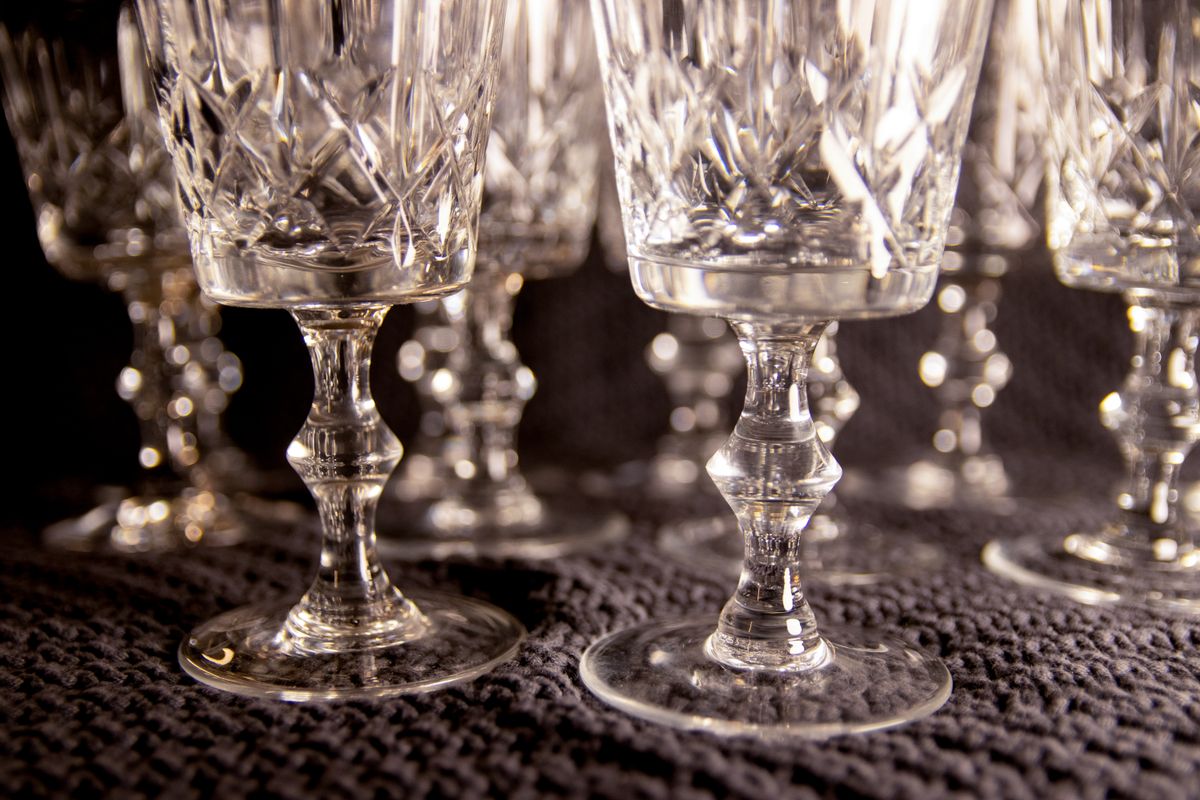
Photo by Bem Partington on Pexels
No. Commercial glass cleaners contain ammonia, surfactants, and other chemicals that are too harsh for optical-grade crystal. These agents can leave behind a chemical film that dulls the surface and can even cause microscopic damage to the crystal's structure and any delicate etching over time. Always use distilled water with a small, measured percentage of isopropyl alcohol.